productlist

Manganese (II) Chloride for Industrial Sourcing

manganese (II) chloride

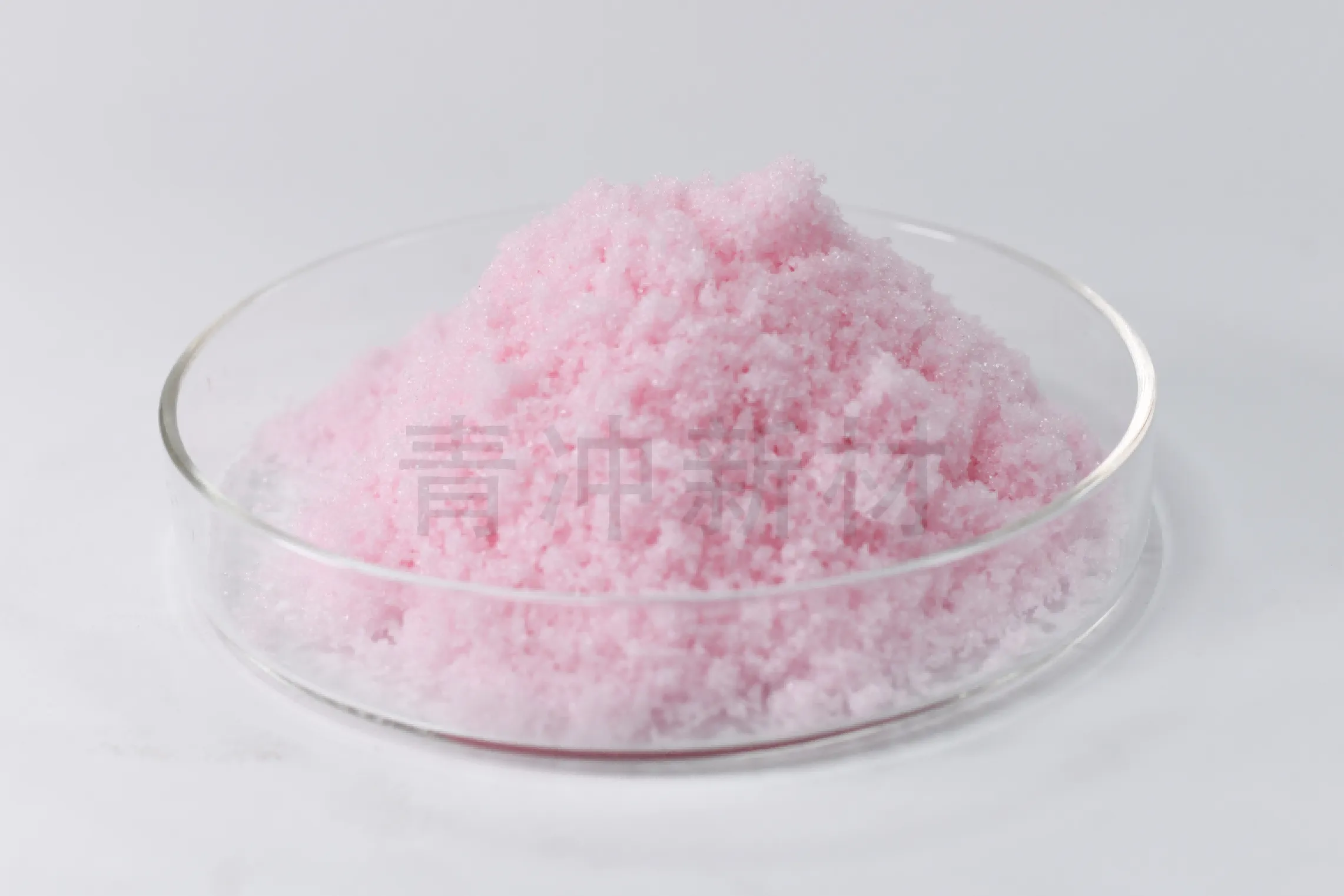
A request for manganese (II) chloride can describe several different purchasing needs. A laboratory may need a specified hydrate for solution preparation, while an industrial buyer may need a manganese source for a defined process. Both are asking about the same manganese oxidation state, but the form, purity requirements and acceptable impurities may differ. Manganese (II) chloride is a manganese salt with the formula MnCl2 in its anhydrous form; hydrate forms contain additional water and must be identified separately. QingChong New Materials is a Chinese manufacturer focused on manganese chemicals, with integrated R&D, production and sales operations. The information supplied for this page does not identify a manganese (II) chloride grade, available hydrate form or product specification. Buyers should therefore treat grade and availability as items for confirmation, not as settled product claims. This page explains what the compound is, where buyers may consider it, which process conditions affect suitability and what to include in an inquiry. A clear intended use and a precise form requirement will make the first technical discussion more useful.

Technical Detail

Configured around process stability, mold life, and long-term uptime.

For buyers who need a soluble manganese source, manganese (II) chloride may be considered for aqueous process development, laboratory preparation or manufacturing routes that call for Mn(II) and permit chloride in the system. Those applications do not imply that a single grade suits every process. A laboratory purchasing for controlled experiments may prioritize a defined hydrate and documented analytical limits. A production team may focus instead on consistency between batches and the effect of incoming impurities on downstream steps. In either case, the buyer needs a specification tied to the actual use. QingChong New Materials brings a broader manganese-chemical background to that discussion: it operates from the Xiangtan Manganese Mine area, integrates R&D, production and sales, and states more than 20 years of industry experience. These are company-level facts, not evidence of a particular manganese (II) chloride grade. No product file was supplied with assay, impurity limits, particle characteristics, packaging or test methods, so none can responsibly be quoted here. Likewise, the company's ISO9001:2008 quality management certification should not be read as a product-specific certificate or proof that a requested grade is available. When contacting QingChong, state whether the material will be used in research, a controlled production process or another defined application. Share the intended form and the specifications your process requires. QingChong can then confirm whether an appropriate product and supporting documentation are available before you qualify the material.

Manganese Chloride (MnCl₂)

What the Mn(II) Designation Tells You

The Roman numeral in manganese (II) chloride identifies manganese in the +2 oxidation state. In the anhydrous compound, MnCl2, each manganese ion is paired with two chloride ions. If the material is supplied as a hydrate, water is incorporated into the solid and its formula and formula weight change accordingly. That distinction matters when a buyer calculates a solution recipe or compares an assay reported on different bases. A mass of hydrated material does not represent the same mass of manganese as an equal mass of anhydrous material. Manganese (II) chloride should also not be treated as interchangeable with manganese dioxide: the latter is a different compound with a different oxidation state and behavior in typical aqueous preparation. QingChong's positioning as a manganese-chemical manufacturer makes these distinctions relevant to an inquiry, but no supplied product file identifies which chloride form, if any, it offers. A technical document should state the chemical identity and the basis used for reporting content. Without those details, a label reading only 'manganese chloride' leaves an important gap between what a process engineer calculates and what purchasing may order.
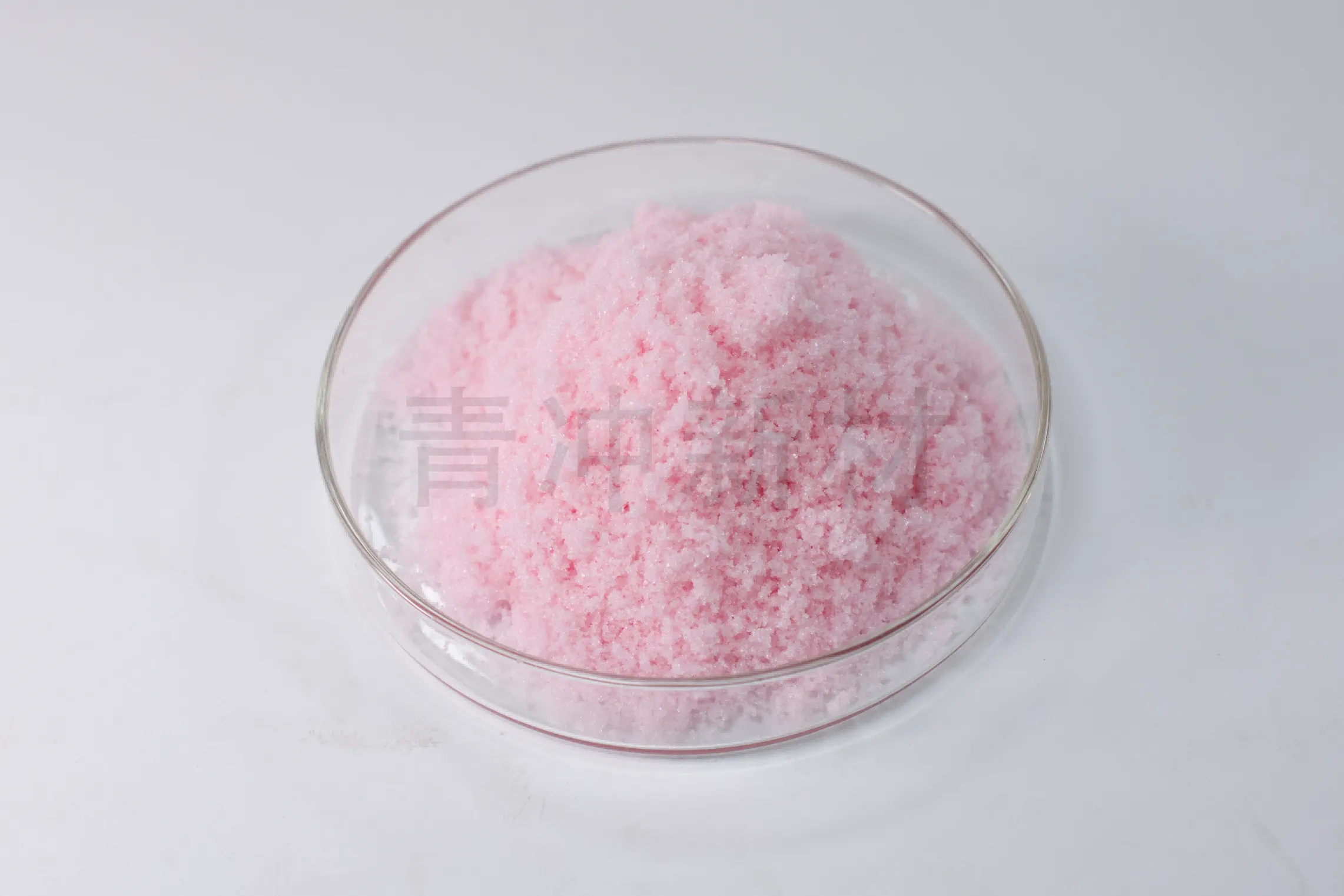
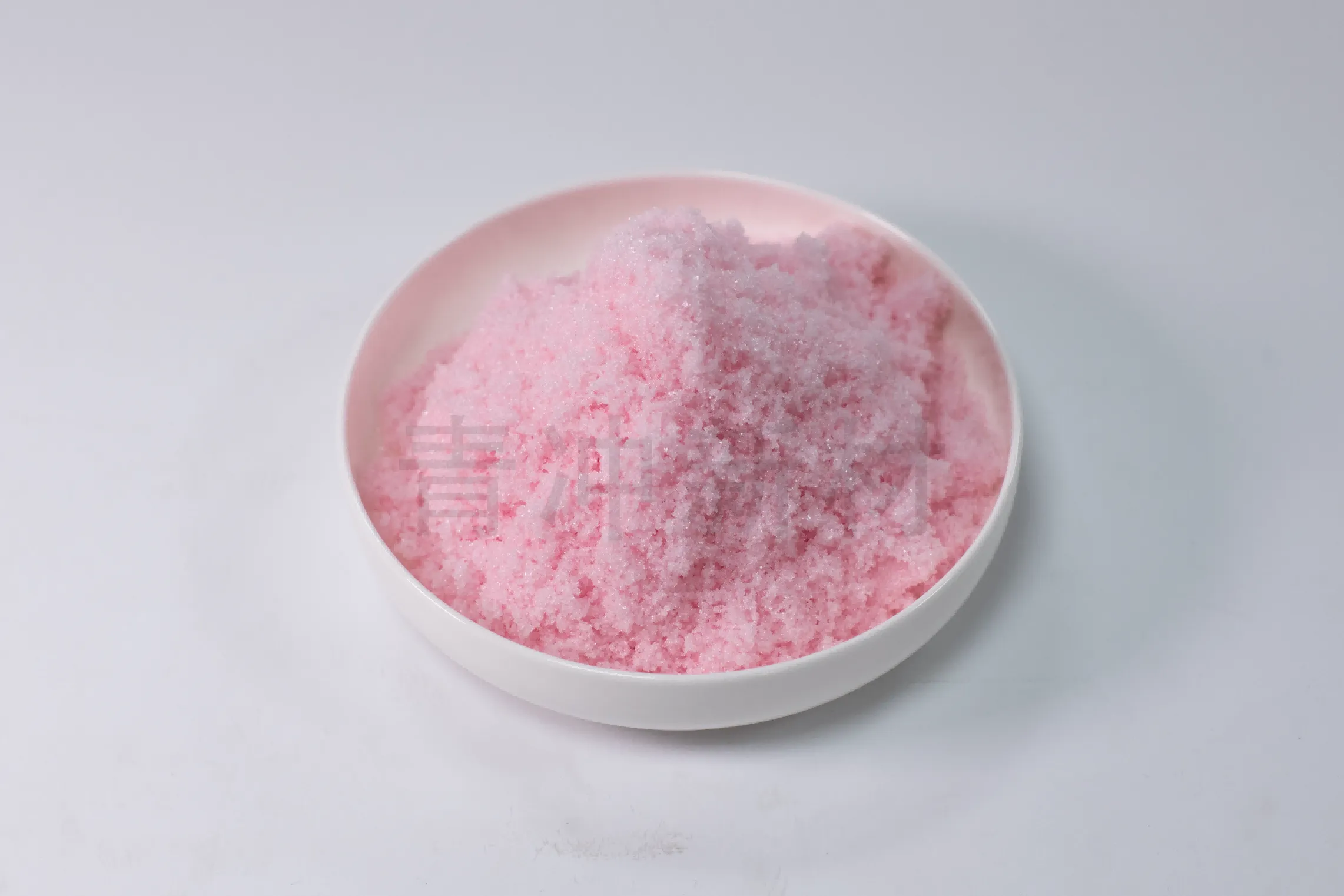
Manganese Chloride (MnCl₂)

Check Whether Chloride and Process Conditions Fit

Suitability depends on the whole process, not just the presence of manganese. Manganese (II) chloride is relevant where a buyer needs Mn(II) in a chloride-compatible route, particularly when preparing an aqueous feed. It is a poor assumption for a process that restricts chloride, requires a different manganese oxidation state or specifies another counterion. Before considering it for a production stream, review the chloride tolerance of downstream equipment, other ingredients and waste handling. Also check how the process controls pH and exposure conditions: dissolved manganese can behave differently as the surrounding chemistry changes. For a laboratory use, the principal question may instead be whether the specified hydrate and purity basis match the method being followed. These are screening criteria, not claims that QingChong has qualified a chloride product for any particular process. QingChong is based in a major manganese production region and reports integrated R&D and production operations, but neither fact substitutes for application testing. Where compatibility or contaminant limits are critical, compare an actual supplier specification and supporting test data with the process requirements before approving the material.

Manganese Chloride (MnCl₂)

Prepare a Manganese (II) Chloride Inquiry

Start with the identity your process calls for: manganese (II) chloride, the required anhydrous or hydrated form, and the standard or internal specification you need to meet. Then provide the intended application, required assay reporting basis, impurity limits that matter to the process and any required documentation. State your expected order quantity and destination so the commercial discussion has a defined scope; these details are inquiry inputs, not a statement of QingChong's minimum order or shipping terms. If the material will be dissolved, include the target concentration and whether the calculation is based on compound mass or manganese content. If packaging, labeling or handling constraints affect receiving, include those too. Ask QingChong to confirm current product availability, the exact form offered and which specification or test documents it can provide. Its integrated R&D, production and sales structure gives buyers an identifiable organization for that conversation, but the supplied information does not establish a chloride grade, price or lead time. Do not release a purchase order on the basis of the compound name alone; reconcile the offered documentation with your technical requirements first.

News

Industry updates

Products

Production modules

Why Choose Us

Why Discuss Manganese Chemistry with QingChong

QingChong New Materials combines R&D, production and sales within one manganese-chemical business, which gives buyers a practical starting point for discussing both technical requirements and supply questions. The company is located in the Xiangtan Manganese Mine area and reports more than 20 years of industry experience. Those facts speak to its background in the sector, while its stated strict quality control system provides a basis for asking how specifications and batch records are managed. QingChong passed ISO9001:2008 quality management system certification in July 2010 and was certified as a National High-tech Enterprise in September 2019. It also reports invention patents obtained in cooperation with local universities. These are organizational credentials; they should not be presented as a manganese (II) chloride product approval or as a substitute for a current test report. For international inquiries, QingChong's 14-language website may make initial communication easier. The useful next step is still specific: ask whether the required chloride form is available, request the applicable specification and confirm what quality documentation can be supplied for the material under consideration. That keeps the sourcing decision anchored to evidence for the actual product.

FAQ

Common technical questions

Is anhydrous manganese (II) chloride equivalent to a hydrate by weight?

No. A hydrate includes water in its formula, so equal masses do not contain equal amounts of manganese. Confirm the form and the assay basis before converting a formulation or comparing quotations.

Can I use manganese (II) chloride instead of manganese dioxide?

Do not make a direct substitution. They have different chemical compositions and manganese oxidation states. Check the reaction or process specification before changing the manganese source.

What should our team check before preparing an aqueous solution?

Use the confirmed form and its formula weight for the calculation, then follow your site's handling procedure and the applicable safety data sheet. If the process is sensitive to chloride or pH, verify compatibility before use.

Which grade should we request for a controlled process?

Send the required assay basis, relevant impurity limits and any method or internal specification. No grade or numerical limits were supplied for QingChong's manganese (II) chloride, so ask the company to confirm availability and provide documents for the proposed material.

Need a solution for your project?

Share your product type, target capacity, and application requirements. Our team can review the details and recommend a practical next step.

Contact Us
Whatsapp
WeChat

CONTACT US

Office Address:21/F,Zhonghan Fortune Building,Ji'an Road, Yuetang District,Xiangtan,Hunan,China

Factory Address: Heling Town, Yuhu District, Xiangtan City, Hunan Province, P.R.China

WhatsApp: 8613786275365

Fax: 86-731-52326088

E-mail: [email protected]