productlist

Electrolytic Manganese Dioxide Manufacturing Process for Buyers

electrolytic manganese dioxide manufacturing process

A buyer reviewing battery-grade manganese dioxide needs more than a process diagram. The practical question is whether the material produced by that route will suit a particular cell design and arrive with test results that can be evaluated against the buyer’s specification. The electrolytic manganese dioxide manufacturing process generally starts with a purified manganese-containing solution. Electrolysis deposits manganese dioxide on an anode; the deposit is then removed and processed into a usable powder. Each stage can affect the characteristics of the finished material, so the process name alone does not establish suitability. Electrolytic manganese dioxide, commonly called EMD, is used in certain battery cathode formulations. This page is for battery material purchasers and technical teams comparing supply routes, reviewing operating conditions, or preparing a sourcing enquiry. QingChong New Materials is a Chinese manganese chemical manufacturer integrating R&D, production, and sales. No EMD grade, plant-specific process parameters, or product test data have been provided here. Buyers should therefore treat the manufacturing overview as general industry information and confirm product availability, specifications, and application fit directly before qualifying a material.

Technical Detail

Configured around process stability, mold life, and long-term uptime.

EMD is manganese dioxide made through an electrolytic route, rather than identified solely by the composition of a mined mineral or a chemical precipitation route. That distinction is useful in procurement, but it is not a substitute for a grade specification. Materials described as manganese dioxide can differ in impurity profile, particle characteristics, moisture, and performance in a particular electrochemical formulation. A purchasing description should identify the required material and its intended use, not assume that the words “electrolytic manganese dioxide” settle every quality requirement. QingChong New Materials is based in the Xiangtan Manganese Mine area and reports more than 20 years of manganese chemical industry experience. Its stated operations combine R&D, production, and sales under a strict quality control system. These are relevant reasons to open a technical discussion, while they do not, by themselves, establish that a particular EMD grade is available or qualified for a buyer’s application. No product file or verified EMD data sheet was supplied for this page, so specific assay values, particle-size ranges, electrochemical performance figures, and company-specific process settings cannot be stated. For a meaningful comparison with another manganese dioxide source, request a current specification and test documentation for the exact offered material. Evaluate that evidence against the requirements of the intended formulation before drawing conclusions from the manufacturing route.

Electrolytic Manganese Dioxide (EMD)

How Electrolysis Produces Manganese Dioxide

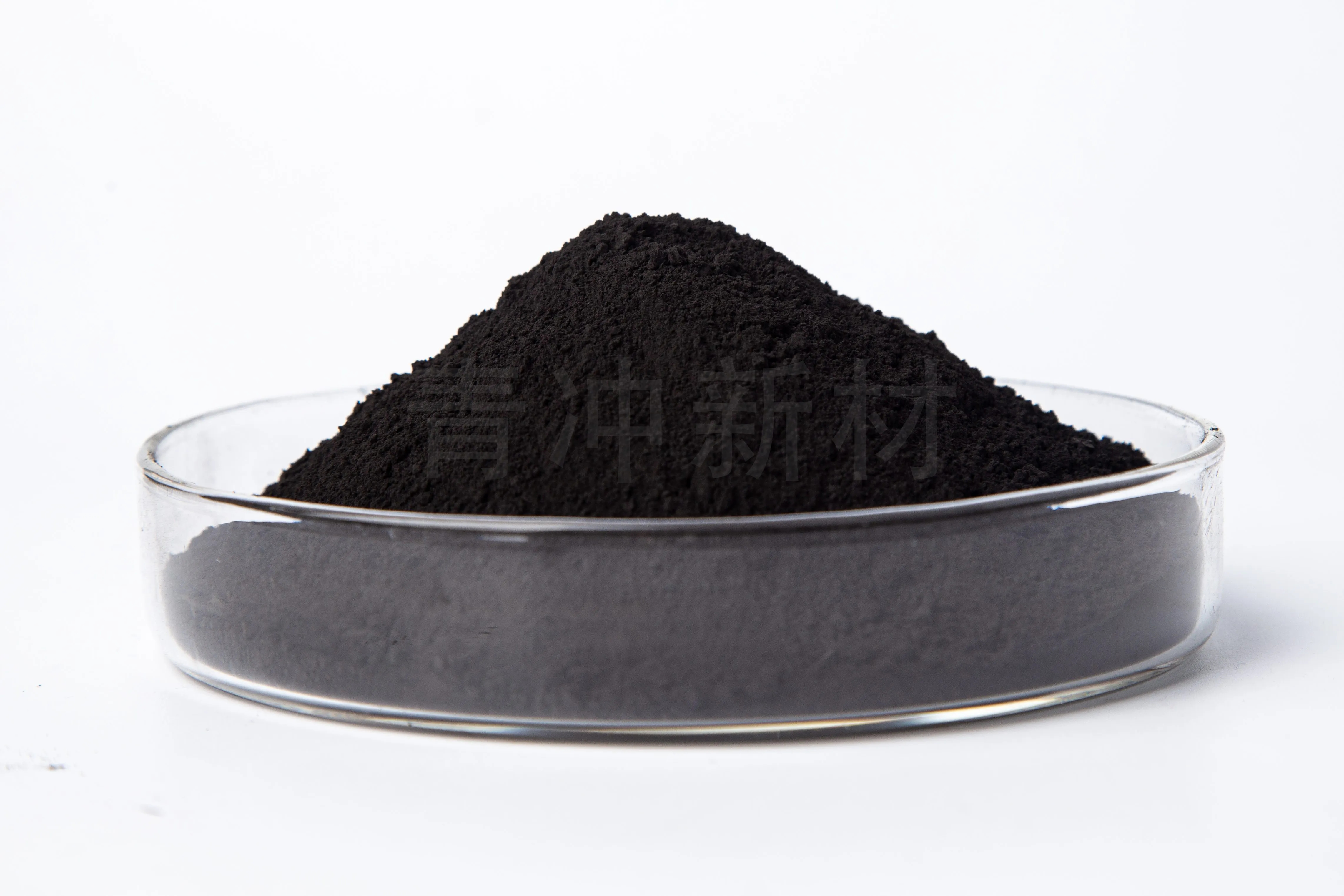
In a typical electrolytic manganese dioxide manufacturing process, a manganese-bearing feed is prepared as an electrolyte and purified before it enters an electrolysis cell. Applying electrical current forms a manganese dioxide deposit at the anode. The deposit is removed and subsequently processed into powder. Washing, drying, and particle-size processing may be part of the finishing sequence, depending on the producer’s method and the requested material. Purification matters because substances carried into the electrolyte may remain relevant to the finished product. Electrolysis conditions matter because deposition does not merely change the chemical name on a certificate; it helps determine the character of the resulting material. Finishing then affects how consistently the powder can be handled and incorporated into a formulation. This is a general description of the industrial route, not a statement of QingChong’s equipment, operating settings, or manufacturing sequence. The available brand information confirms integrated R&D, production, and sales operations for manganese chemicals, but supplies no plant-specific EMD flow sheet. For technical review, distinguish between what the route normally involves and what a named supplier can document for its actual offered grade.
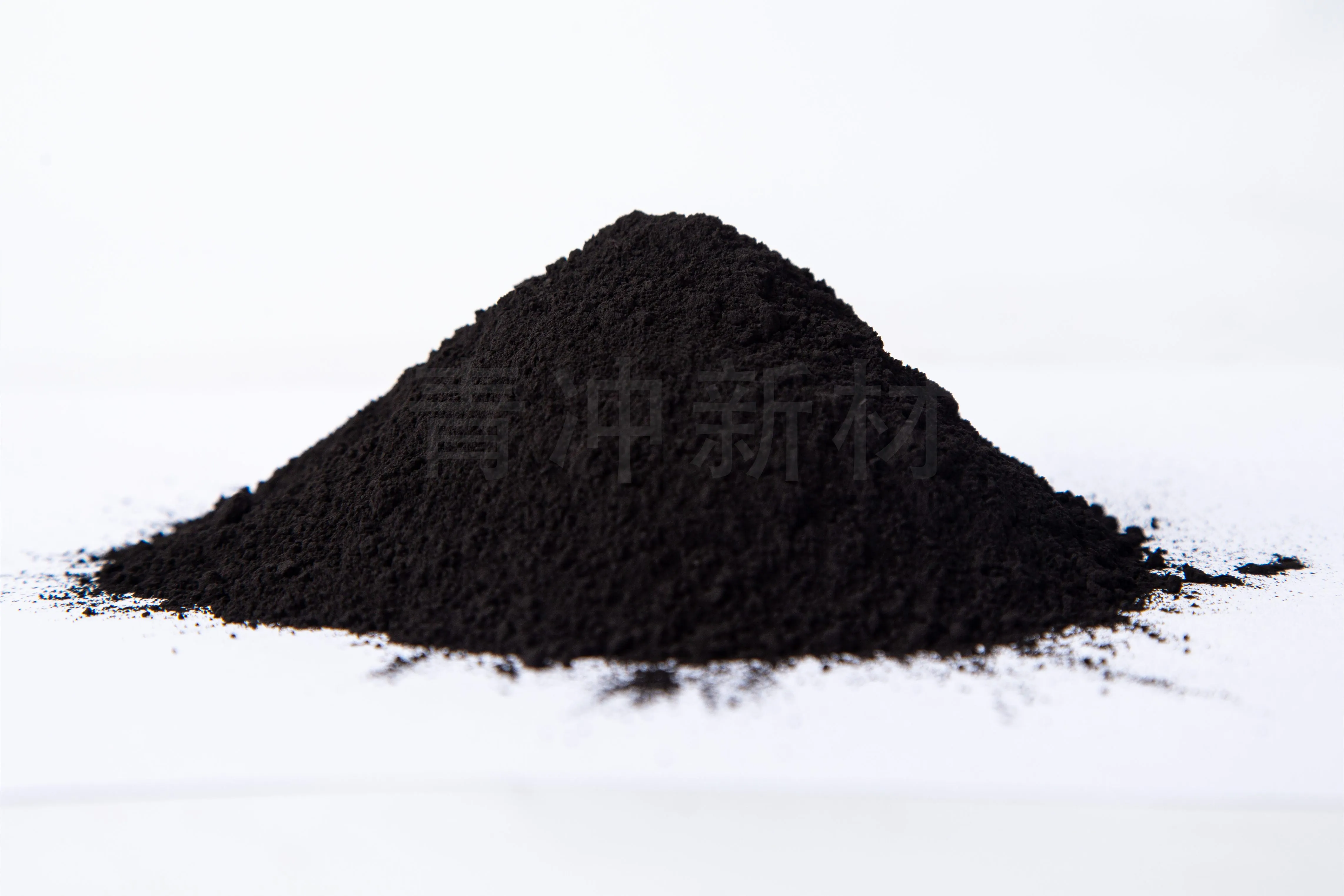
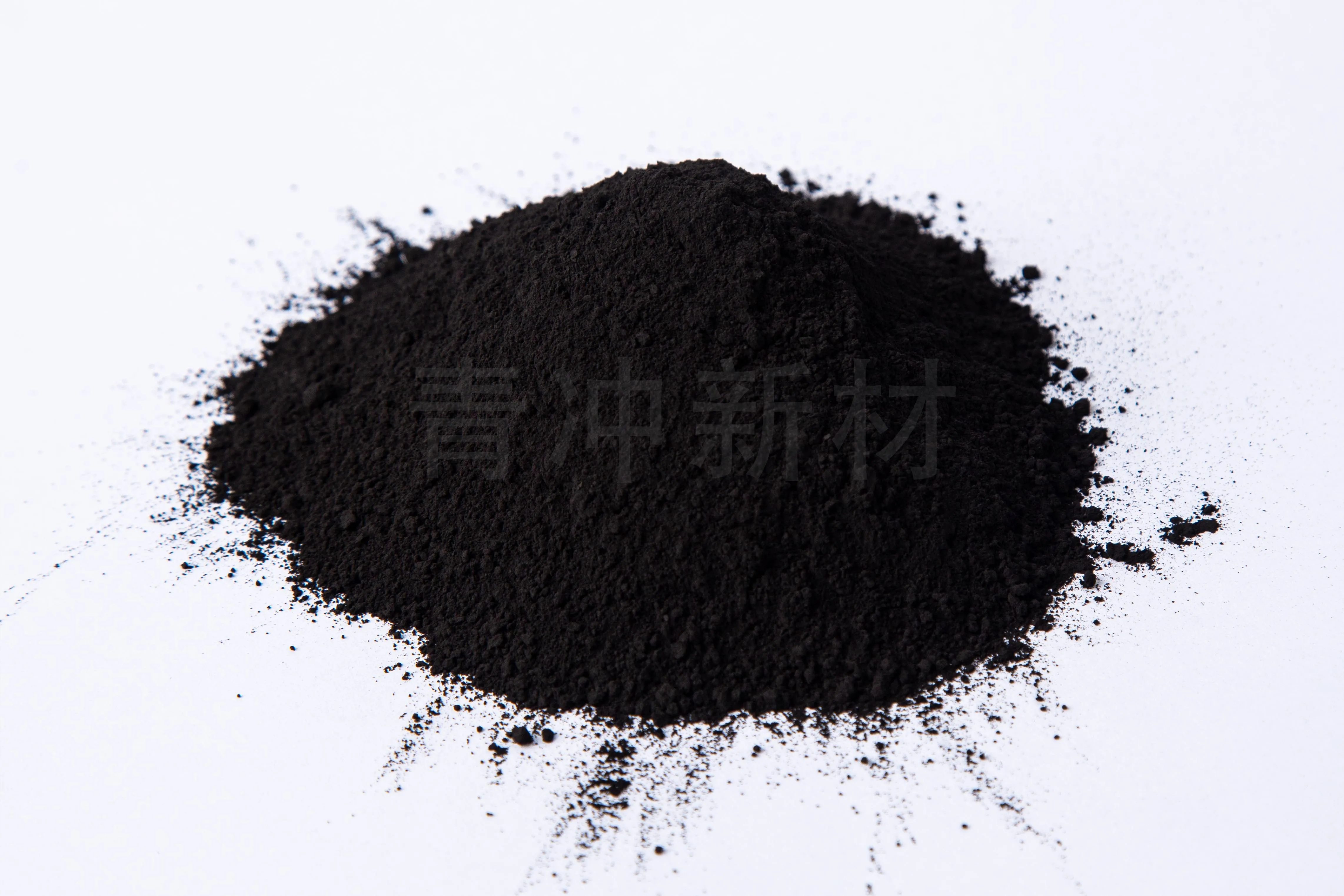
Electrolytic Manganese Dioxide (EMD)

Check the Battery System and Processing Conditions

A material can follow the expected electrolytic route and still be unsuitable for a particular cathode line. The relevant test is how the offered powder behaves in the buyer’s formulation and process. For a battery application, consider the intended cell chemistry, the cathode recipe, moisture sensitivity, handling method, and the performance criteria used during qualification. If the powder must blend with other ingredients or pass through a defined coating or pressing step, its particle characteristics may affect processing even when the chemical designation is correct. These are evaluation points, not claims about a QingChong product. Ask for the offered grade’s documented characteristics and compare them with your acceptance limits. Where those limits have not yet been set, use a trial and the buyer’s established test method to identify which measurements predict usable performance. Do not infer that a material qualified in one cell design will automatically transfer to another. Likewise, a supplier’s general manganese chemical experience does not replace evidence for the specific EMD lot or grade under consideration. If the intended use is outside batteries, state the application explicitly so the technical review addresses its own operating conditions.

Electrolytic Manganese Dioxide (EMD)

What to Include in an EMD Sourcing Enquiry

Start with the intended application and the exact material designation you use internally. Then provide your current specification or target ranges for the characteristics your team actually tests, along with any required test methods. If you are replacing an existing material, identify the approved reference grade and explain which properties must remain comparable. Sharing a sample evaluation plan can also make the discussion more concrete: state the form of material needed, the trial quantity you are considering, and the criteria that would allow a larger qualification to proceed. Ask QingChong to confirm whether it offers an EMD grade for that use and, if so, to provide the applicable specification and available test documentation. Confirm how the supplied grade is identified on documents and packaging before placing it into an approval workflow. QingChong describes integrated R&D, production, and sales operations and a strict quality control system; the next step is to connect those capabilities to evidence for the specific material being quoted. Price, lead time, minimum order quantity, process settings, and grade-specific performance should be requested rather than assumed from this page.

News

Industry updates

Products

Production modules

Why Choose Us

Why Discuss EMD Requirements with QingChong?

QingChong New Materials brings an established manganese chemical background to a technical sourcing conversation. It is located in the Xiangtan Manganese Mine area, a major Chinese manganese production base, and reports more than 20 years of industry experience. Its integration of R&D, production, and sales gives buyers a clear starting point for discussing material requirements across technical and commercial teams. The company also states that it operates a strict quality control system. QingChong passed ISO9001:2008 quality management system certification in July 2010 and was certified as a National High-tech Enterprise in September 2019. It reports invention patents obtained in cooperation with local universities. Those dated credentials describe the company’s background; they should not be read as current certification of an EMD grade or proof of a particular battery performance result. A multilingual website covering 14 languages may help international buyers access company information, while grade qualification still depends on current documents and testing. QingChong’s stated emphasis on quality and integrity is most useful here as a basis for a specific request: confirm whether the required EMD is available and ask for evidence tied to the material offered.

FAQ

Common technical questions

Is EMD the same as natural manganese dioxide?

No. EMD names an electrolytic production route; natural manganese dioxide is obtained from mineral sources. The route alone does not tell you whether either material meets your formulation’s specification. Compare documented properties and application test results.

Can I use EMD intended for one battery design in a different cell chemistry?

Do not assume it will transfer directly. Give the supplier the intended cell chemistry and your acceptance criteria, then qualify the offered grade using your own formulation and test method.

What should I check when an EMD sample arrives?

Match the sample identifier to its accompanying documents first. Review the stated grade and available test results, then store and handle the sample according to the supplier’s instructions and your site procedures before running qualification tests.

Which document should I request before comparing suppliers?

Request the current specification for the exact offered grade, together with available test documentation and the test methods used. Ask QingChong to confirm EMD availability before treating the general manufacturing information on this page as a product offer.

Need a solution for your project?

Share your product type, target capacity, and application requirements. Our team can review the details and recommend a practical next step.

Contact Us
Whatsapp
WeChat

CONTACT US

Office Address:21/F,Zhonghan Fortune Building,Ji'an Road, Yuetang District,Xiangtan,Hunan,China

Factory Address: Heling Town, Yuhu District, Xiangtan City, Hunan Province, P.R.China

WhatsApp: 8613786275365

Fax: 86-731-52326088

E-mail: [email protected]