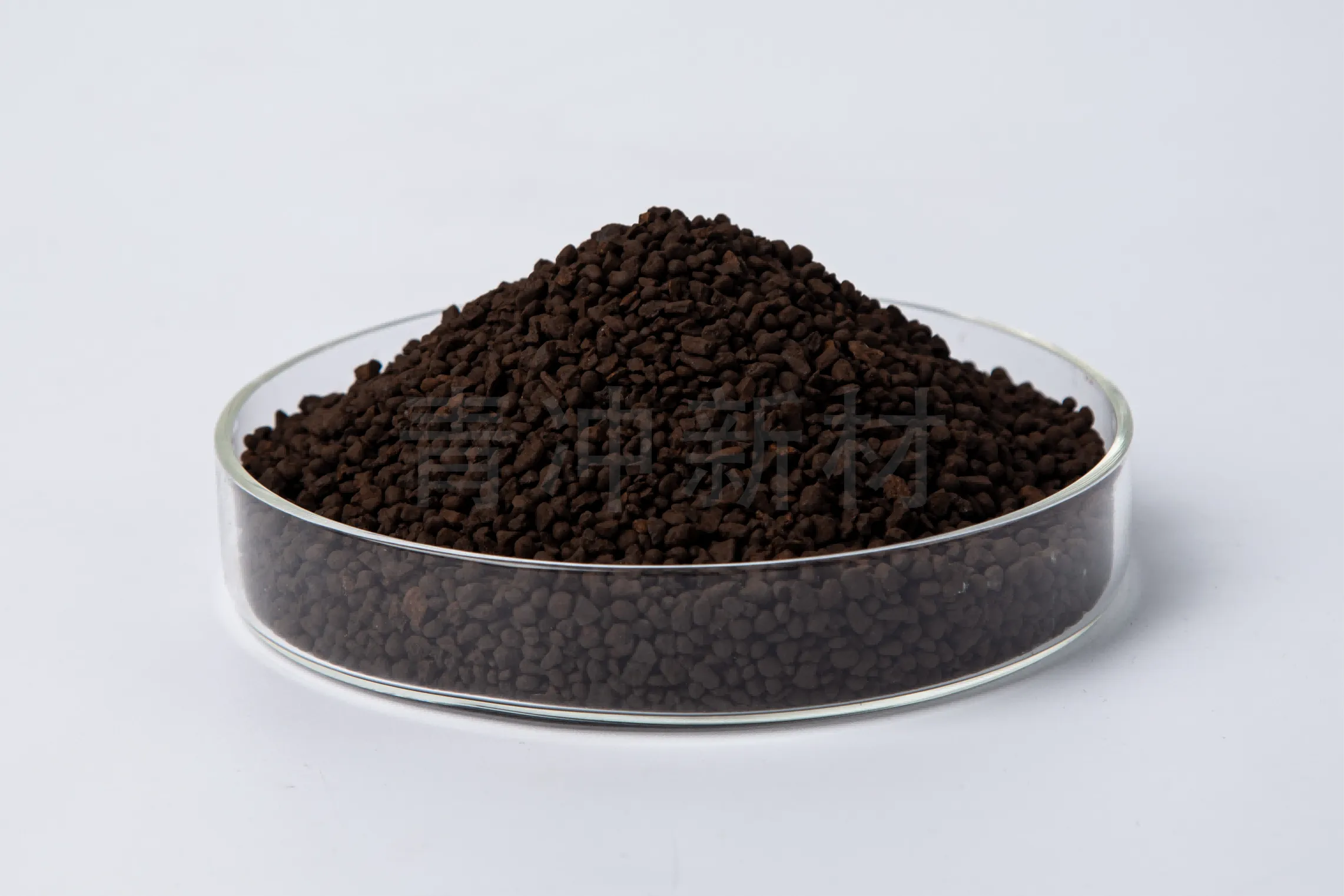
productlist

EMD materials: Confirm the Right Specification

EMD materials

Two samples described as EMD materials can look similar on a purchasing list yet behave differently in the same process. EMD generally means electrolytic manganese dioxide, but the name alone does not establish a material's grade, particle characteristics or suitability for a particular use. A useful specification starts with the application: what must the material do, what can the process tolerate, and how will those requirements be measured? Buyers may need to examine manganese dioxide content, moisture, particle-size distribution and relevant impurities. Depending on the intended use, surface characteristics or electrochemical performance may also matter. None of these values should be assumed from the term EMD. QingChong New Materials is a Chinese manganese chemical manufacturer integrating research and development, production and sales. With no product-specific EMD data provided here, this page does not claim a particular grade or performance level. Instead, it sets out a practical way to read a proposed specification, identify parameters that affect fit and prepare the information needed to confirm the correct material before ordering.

Technical Detail

Configured around process stability, mold life, and long-term uptime.

For a technical purchase, EMD materials should be discussed in terms of documented requirements, not a grade name taken in isolation. QingChong New Materials brings more than 20 years of manganese chemical industry experience and operates from Xiangtan Manganese Mine, a major manganese production base in China. Its integrated research and development, production and sales structure provides a clear point of contact for discussing material requirements across technical and commercial teams. The company also describes a strict quality control system and states that it passed ISO9001:2008 quality management system certification in July 2010. That historical certification detail is not evidence of a currently valid certificate; buyers with a current compliance requirement should request up-to-date documentation. No EMD assay, particle-size range or approved application is supplied in the available product information, so such figures cannot responsibly be attached to QingChong's offering on this page. A productive first exchange is therefore about evidence: ask which EMD products are available for the intended use, request the applicable specification and test report, and check whether each reported value is tied to an identified method. This approach makes the conversation specific without treating company credentials as a substitute for material data. It also gives a buyer a way to separate a documented specification from an assumption based on the broad label EMD.

Electrolytic Manganese Dioxide (EMD)

What EMD Test Results Actually Describe

A reported percentage and a particle-size figure answer different questions. Manganese dioxide content describes the stated chemical composition under a defined analytical method; it does not describe how the powder will flow or pack. Moisture indicates water present under the specified test conditions and can change after exposure to a different storage environment. Particle size describes a distribution, not necessarily a single representative grain: two powders with the same median size may have different proportions of fines or coarse particles. For EMD materials, the identity and level of particular impurities may also be relevant, but the list to examine depends on the intended process. Electrochemical or surface-area data, if offered, require their own methods and conditions before results can be compared. Units and reporting basis matter throughout. A value reported on a dry basis should not be compared directly with one reported as received without accounting for the distinction. Likewise, a particle-size result needs an identified measurement method. Because QingChong has not supplied an EMD parameter table here, these are definitions for reading a future specification, not published values for its products.
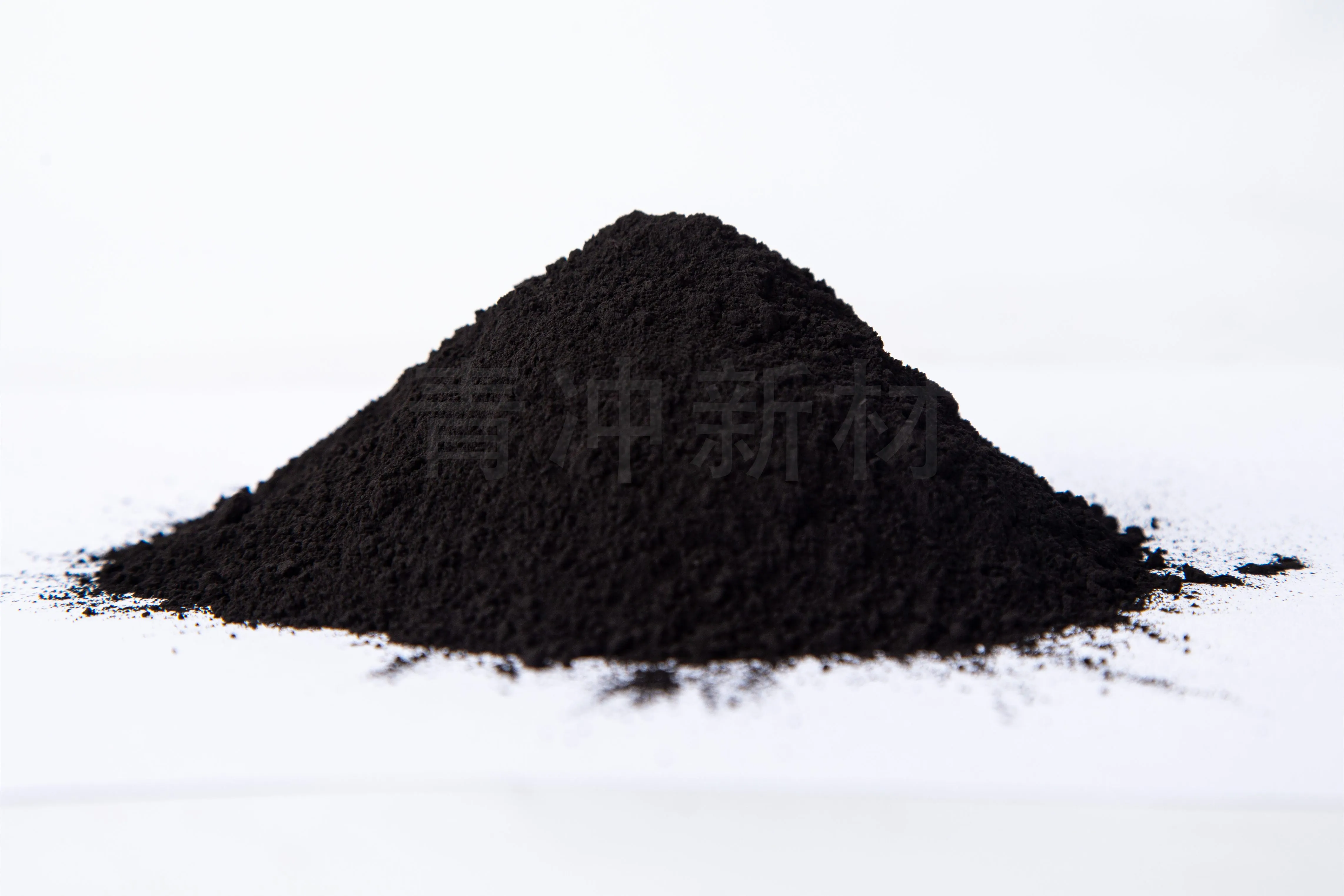
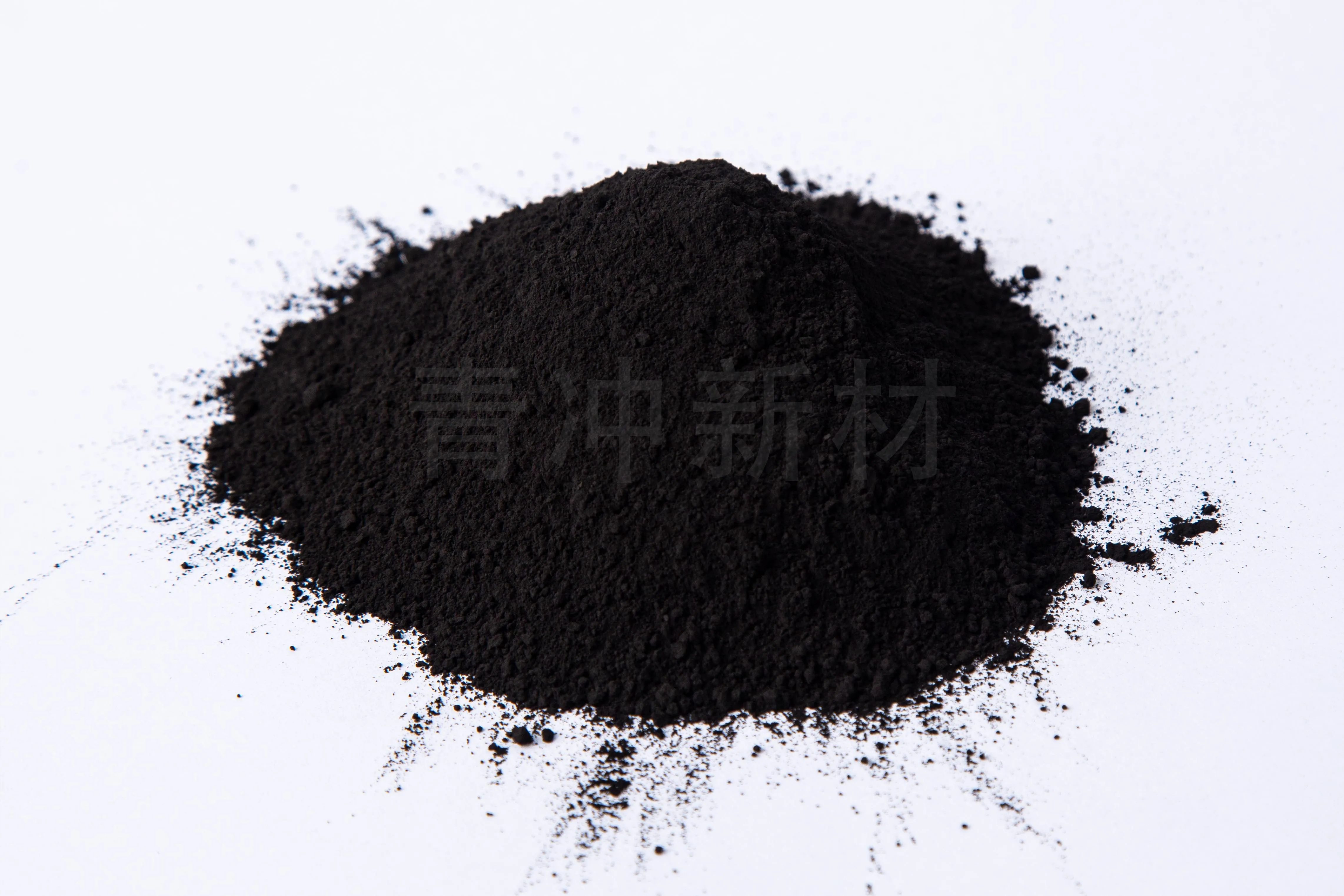
Electrolytic Manganese Dioxide (EMD)

Match the Specification to Process Conditions

Application fit depends on the process and on which variation that process can tolerate. For a buyer assessing EMD materials for an electrochemical use, the relevant question is whether the proposed grade has performance evidence under test conditions that resemble the intended system. Chemical composition alone may not predict that result. In a powder-handling process, particle-size distribution and moisture may deserve closer attention because fines, agglomeration or changing humidity can affect handling. These examples are evaluation criteria, not claims that a QingChong EMD grade has been approved for either use. Set limits from your own process requirements before reviewing a supplier's numbers. If an impurity could interfere with downstream chemistry, identify that impurity explicitly rather than asking only for a total-purity figure. If storage or shipping conditions may differ from laboratory conditions, determine whether a reported moisture value remains useful at the point of use. QingChong's location in the Xiangtan manganese production area does not, by itself, establish suitability for any specific application. The deciding evidence is a grade-specific specification, supported where needed by testing against the buyer's operating conditions.

Electrolytic Manganese Dioxide (EMD)

Information to Prepare Before Confirming an EMD Grade

Start a grade-confirmation request with the intended application and the role EMD materials will play in the finished process. State the parameters your team treats as mandatory, including any impurity limits, moisture requirements or particle-size distribution limits already established by testing. For each limit, provide the unit, whether it applies on a dry or as-received basis, and the required test method if one is specified internally. Add practical constraints such as packaging compatibility and expected storage conditions if they affect material handling. Then ask QingChong which EMD product, if any, corresponds to those requirements. Request its current specification, the test methods behind reported values and documentation for the material being considered. If your team compares samples, record the proposed grade identity and test conditions alongside the results so that later discussions refer to the same material. QingChong integrates research and development, production and sales, but no EMD model list or parameter ranges have been provided here. A purchasing decision should therefore remain conditional until the proposed grade and its supporting data have been checked against your written requirements.

News

Industry updates

Products

Production modules

Why Choose Us

Why Discuss EMD Requirements with QingChong

QingChong New Materials has a defined base in manganese chemicals: it is located at Xiangtan Manganese Mine and reports more than 20 years of industry experience. For an EMD inquiry, that background gives buyers a manufacturer to approach with a detailed technical requirement rather than relying on an unqualified material name. Its research and development, production and sales activities are integrated, and the company reports a strict quality control system. Those capabilities make specification and documentation questions appropriate topics for an initial discussion, though they do not establish that a particular EMD grade meets a buyer's limits. QingChong also reports National High-tech Enterprise certification from September 2019 and invention patents obtained in cooperation with local universities. These are company credentials, not test results for EMD materials. The company operates a website in 14 languages and describes global export capabilities, which may help international buyers begin an inquiry. Its stated principles place quality and integrity at the center of its operations. Buyers should still request current, product-specific evidence, along with any compliance documents required for their market, before approving a material for use.

FAQ

Common technical questions

Is a higher MnO₂ percentage always the better EMD specification?

No. Compare the reported percentage using the same test method and reporting basis, then check the other limits that matter to your process. A higher assay does not, by itself, establish suitable particle behavior or electrochemical performance.

Can I use the same EMD materials specification for different applications?

Only if the requirements for each application have been checked. An impurity that matters in one process may be less relevant in another, while handling or performance tests may differ. Define acceptance criteria for each use before treating a grade as interchangeable.

What should I check when a received EMD sample appears clumped?

Review its packaging and storage history, then compare a measured moisture result with the agreed specification and test method. Clumping alone does not identify the cause. Keep the sample identity and handling conditions on record before drawing conclusions.

How do I compare two EMD offers when their particle-size results use different methods?

Ask both suppliers for the full distribution, units, sample preparation and measurement method. A median value measured under one set of conditions is not necessarily comparable with a value produced under another. If the methods cannot be aligned, test both samples under a common method.

Need a solution for your project?

Share your product type, target capacity, and application requirements. Our team can review the details and recommend a practical next step.

Contact Us
Whatsapp
WeChat

CONTACT US

Office Address:21/F,Zhonghan Fortune Building,Ji'an Road, Yuetang District,Xiangtan,Hunan,China

Factory Address: Heling Town, Yuhu District, Xiangtan City, Hunan Province, P.R.China

WhatsApp: 8613786275365

Fax: 86-731-52326088

E-mail: [email protected]