
 EN
 CN
 fr
 es
 ar
 ru
 de
 pt
 tr
 vi
 it
 ja
 ko
 hi
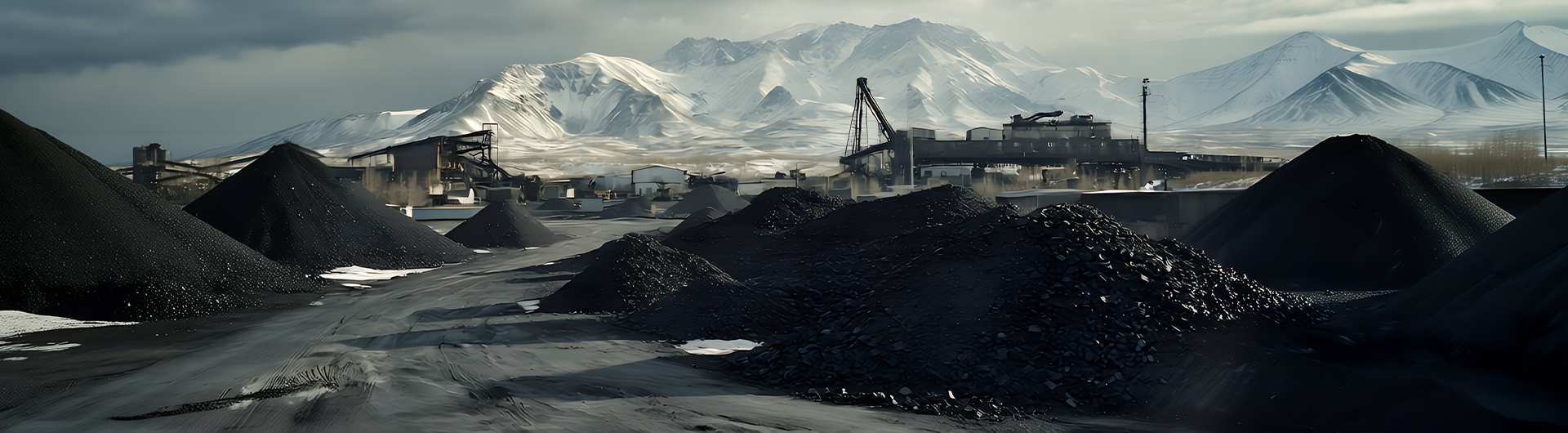

manganese (II) carbonate china
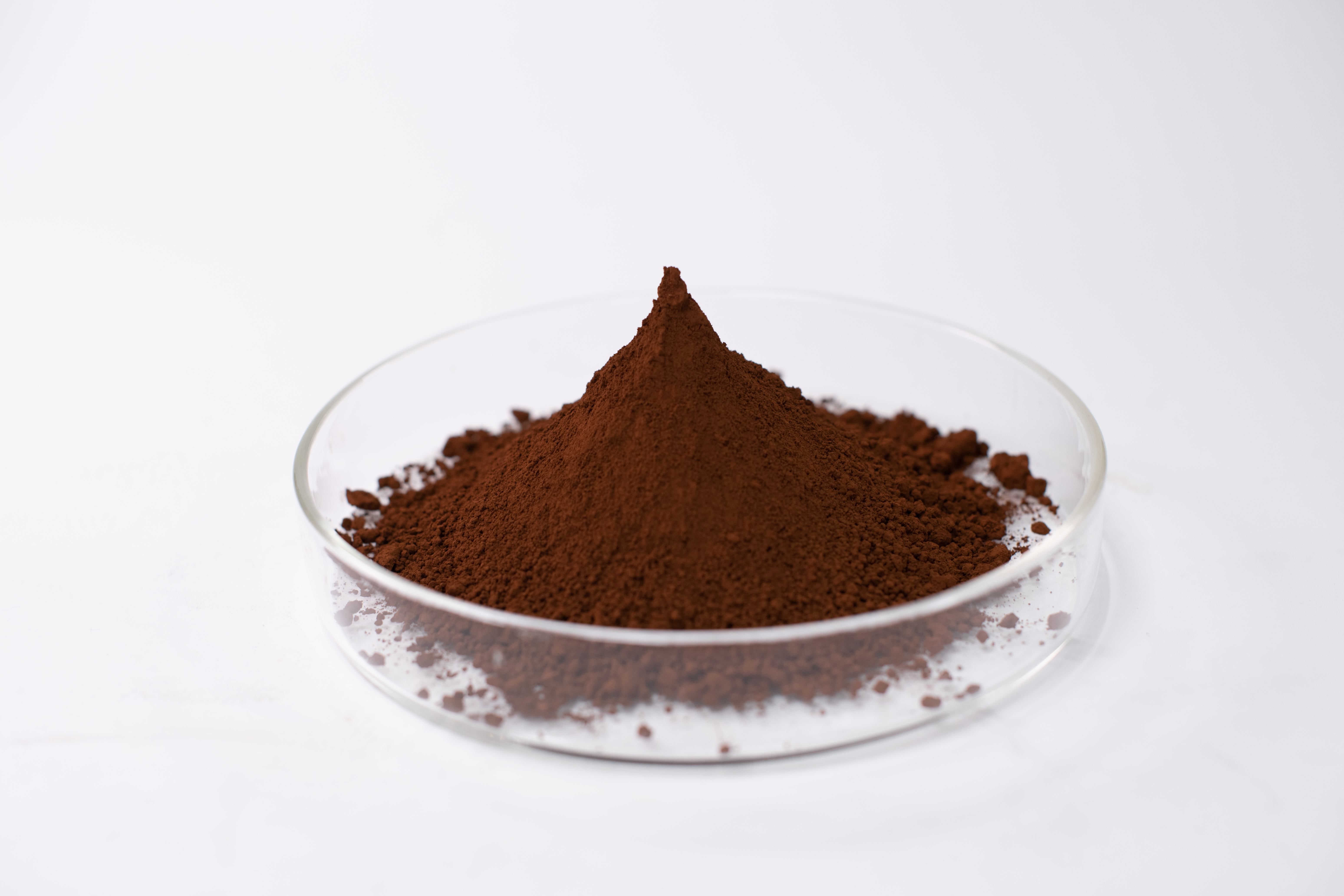
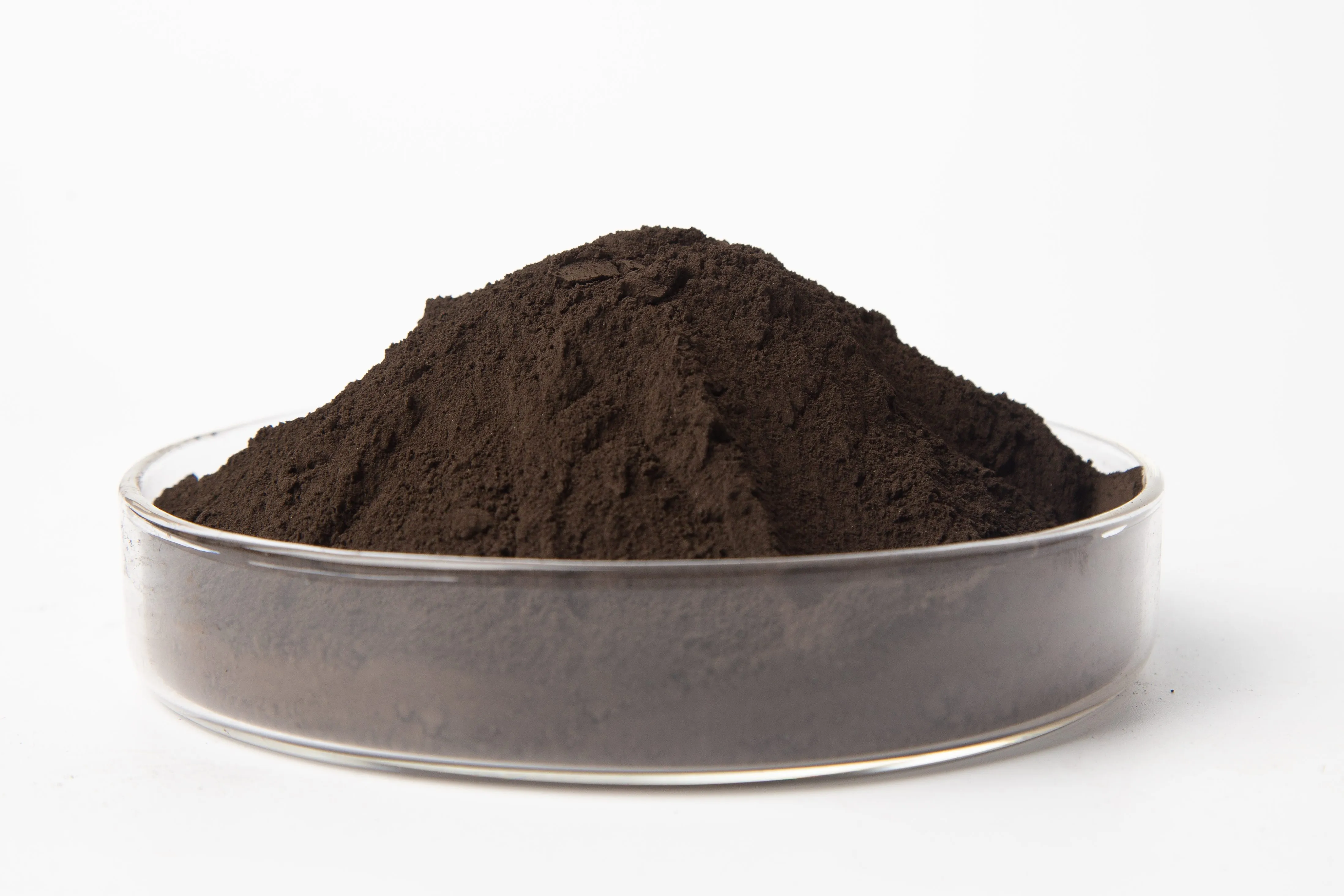
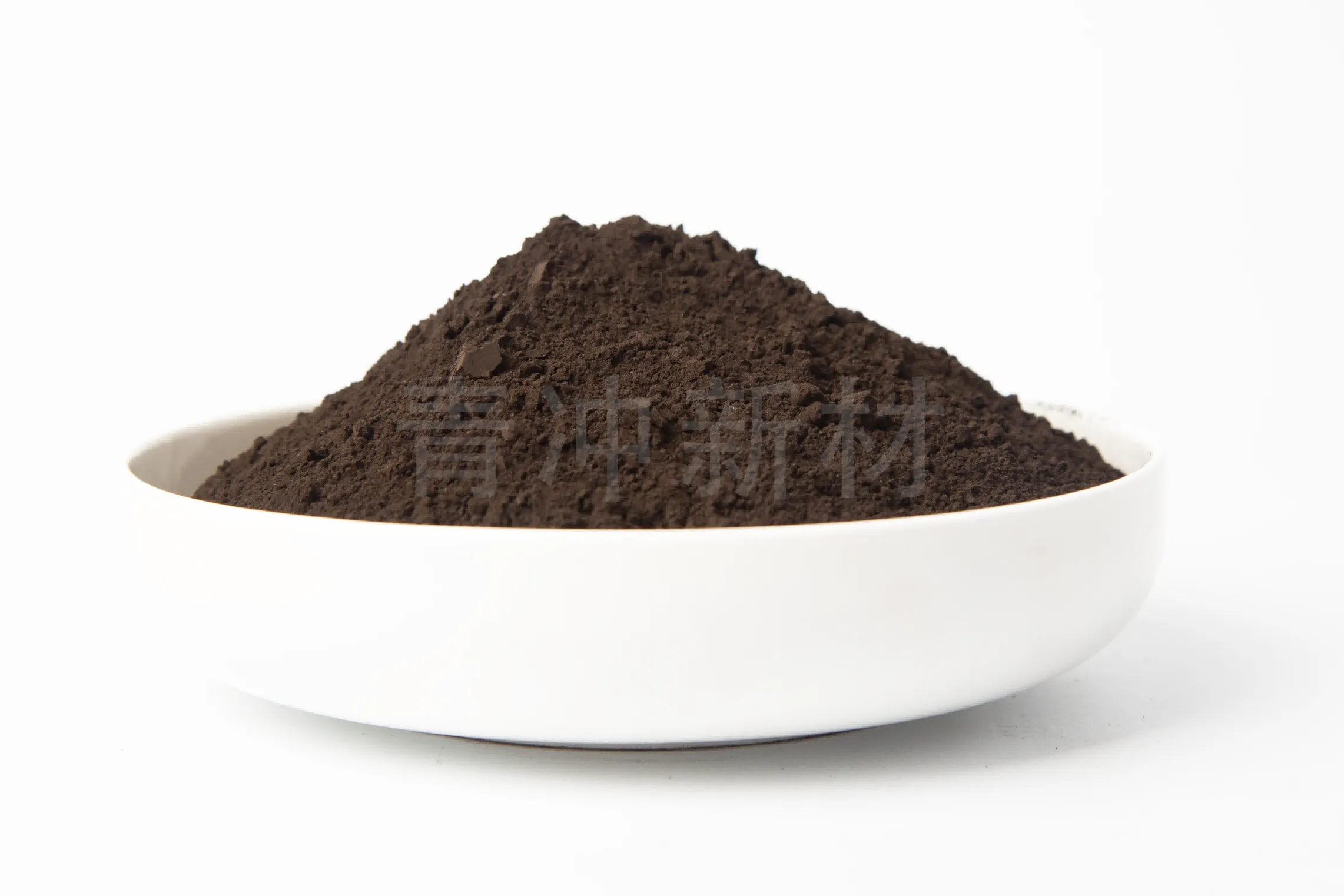
manganese (II) carbonate china is known for its exceptional reactivity that is controlled by physical stabilization. The activation process results in a balance between the activity on the surface and the strength of the structure, which enables the material to work effectively under long operational periods. Its consistent behavior makes it possible to use it in systems where precise performance control is a must. The homogeneity of manganese (II) carbonate china lessens the variations during processing, thus helping to achieve higher consistency in industrial applications. The mix of reactivity and stability makes this material significant for applications that require reliable material performance during long operational cycles.
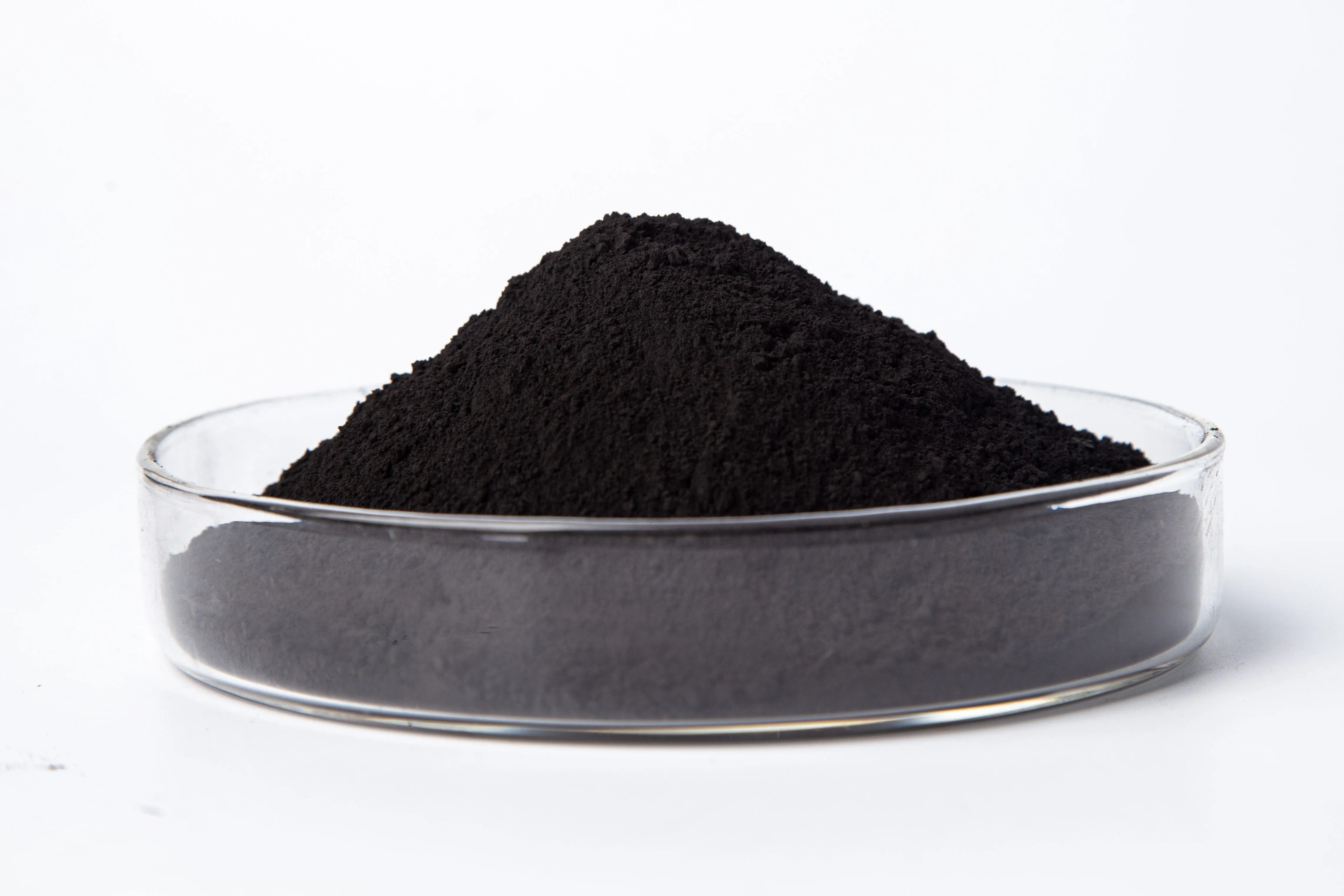
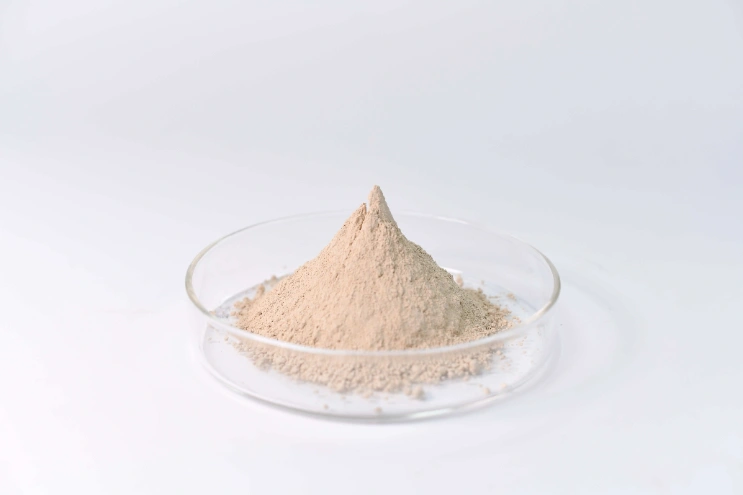
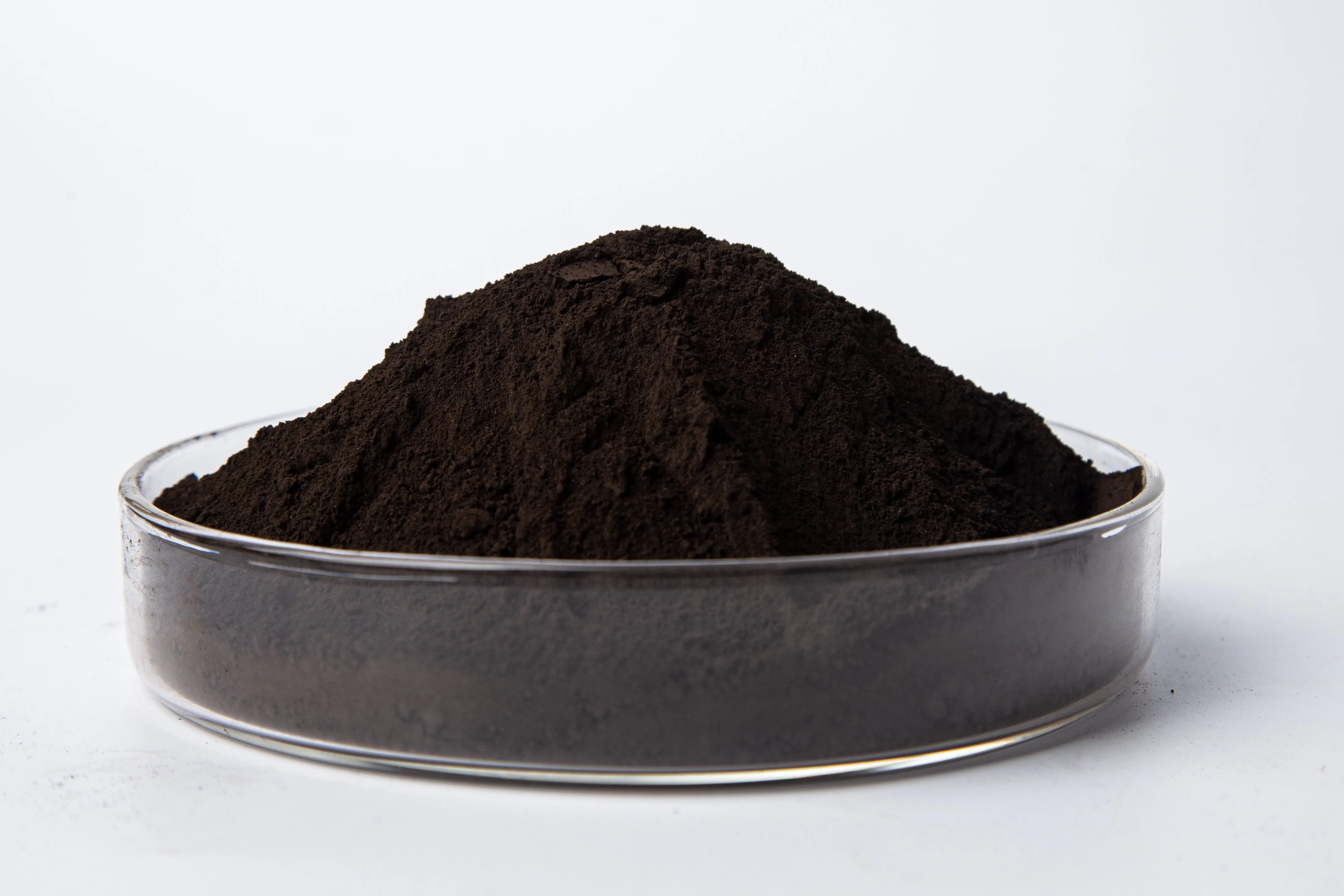
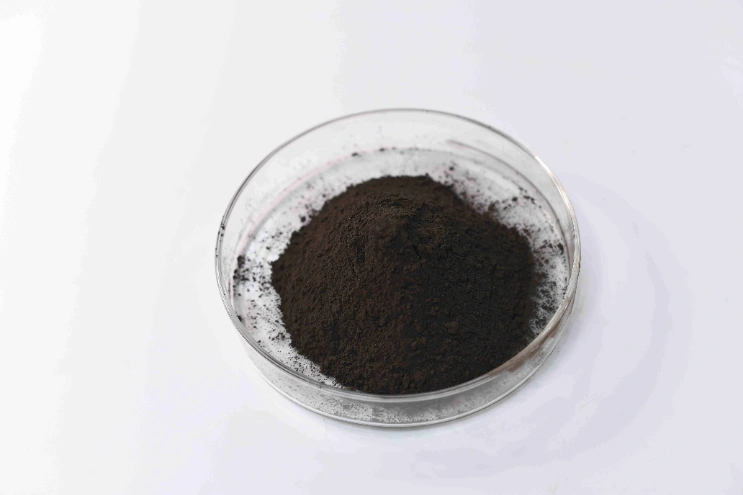
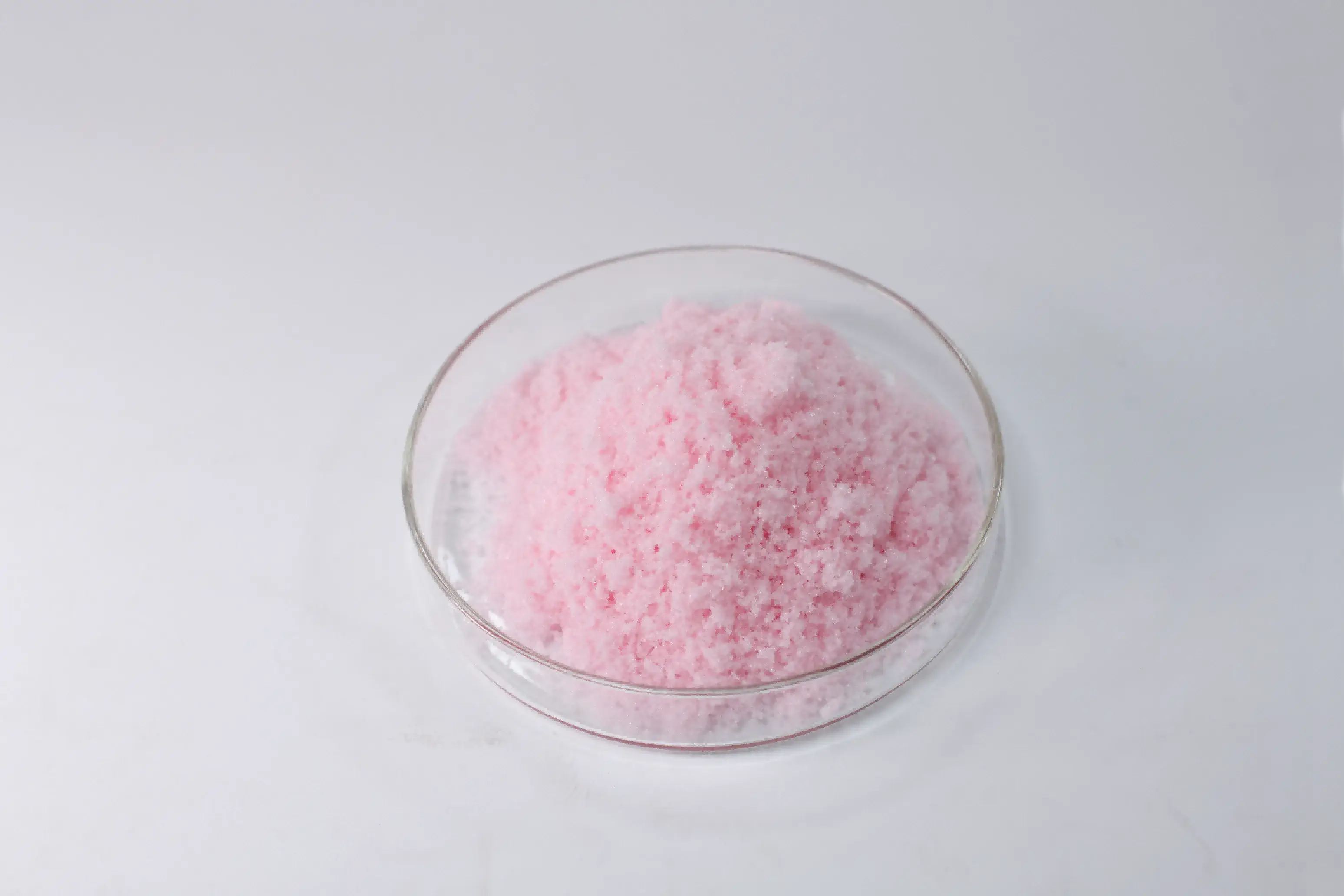
Application of manganese (II) carbonate china
In the electrochemical process, manganese (II) carbonate china is a functional additive that mainly contributes to better electrode performance. Thanks to its activated structure, charge transfer dynamics are greatly improved and reaction distribution across anode and cathode surfaces is done uniformly. The material helps to maintain similar electrical behavior throughout the operation cycles. The engineers who work on energy devices with cutting-edge technology make use of manganese (II) carbonate china to increase the efficiency of the electrodes. Its non-exclusivity to certain electrode formulation gives room for integration, thus promoting new ideas in the design of the electrochemical systems and manufacturing the components with high-performance.
The future of manganese (II) carbonate china
Looking ahead, manganese (II) carbonate china is going to be a key factor in intelligent manufacturing systems. The development of automation and process supervision will lead to the demand of materials having predictable and stable behavior. The improved consistency and activation accuracy might let manganese (II) carbonate china to be incorporated into the data-driven production environments without any problems. This compatibility results in more control over the processes, less variability, and better efficiency in manufacturing. Its reliable performance is in agreement with the requirements of digitally optimized industrial operations.
Care & Maintenance of manganese (II) carbonate china
Extended operational cycles can maintain manganese (II) carbonate china with coordinated care practices. Stable material behavior is supported by the combination of proper storage, careful handling, equipment upkeep, and environmental control. Performance evaluation at intervals guarantees that the material continues to meet the operational expectations. The integrated maintenance efforts reduce the variability and support the consistent outcomes. Manufacturers can by adopting the structured care protocols maximize the functional lifespan of manganese (II) carbonate china and keep reliable performance across various industrial applications.
QingChong manganese (II) carbonate china
manganese (II) carbonate china is generally applied in catalytic processes where controlled oxidation reactions are needed. The activated manganese (II) carbonate china form significantly enhances the rate of the reaction but retains selectivity. The material is capable of excellent performance throughout a great number of operational conditions, thus promoting stable catalytic action. The chemical industry makes use of manganese (II) carbonate china in order to increase the output as well as to minimize the formation of undesirable by-products during transformation of materials. Its physical integrity grants it the ability to be used repeatedly without having a major loss of performance which in turn makes it a dependable constituent of industrial catalytic systems that require efficiency, durability, and consistency of output over long production cycles.
FAQ
Q: What are the determinants of Activated Manganese Dioxide activity level? A: Activation method, surface area, particle structure, and purity among others determine activity level. Q: Is it possible to use Activated Manganese Dioxide together with other substances? A: It is frequently mixed with carriers or binders based on specific processing requirements. Q: Will the material leave any residue after it is used? A: Residue will form only if the application environment and system design favor it. Q: Is the product suitable for processing in a modular unit? A: Its consistent behavior is the reason that it can be used in modular and scalable systems. Q: What are the common quality indicators? A: Activity, moisture content, and particle distribution among others are used as quality indicators.
Reviews
Olivia Davis
The Chemical Manganese Dioxide we received is highly reactive yet stable for industrial applications. Its fine particle distribution has allowed us to maintain reproducible chemical reactions, increasing productivity and reducing waste significantly.
Daniel Wilson
Manganese Carbonate from this supplier delivers consistent composition and particle quality. It integrates perfectly into our alloying processes, producing metals with uniform strength and hardness. Batch-to-batch consistency is highly reliable.
Latest Inquiries
To protect the privacy of our buyers, only public service email domains like Gmail, Yahoo, and MSN will be displayed. Additionally, only a limited portion of the inquiry content will be shown.
Mia****@gmail.comBrazil
Hello, we are interested in Manganese Sulfate for agricultural formulations. Can you provide solubil...
Sophia****@gmail.comCanada
Hi, we need Manganese Filter Media for water treatment systems. Can you provide available particle s...
Related product categories
- pure manganese carbonate in Russia
- pure manganese carbonate in Saudi Arabia
- pure manganese carbonate in Indonesia
- pure manganese carbonate in Vietnam
- pure manganese carbonate in Philippines
- pure manganese carbonate in Spain
- pure manganese carbonate in Malaysia
- mnco3 china
- manganese carbonate china
- manganese (II) carbonate china
- manganese carbonate uses china
- manganese carbonate powder china